Rainwater Harvesting Tanks

Harvesting Rainwater Addresses Water Shortages
With severe water shortages and diminishing supplies even in traditionally water-rich regions, it is more important than ever to collect and reuse water. Businesses, homes and communities install Xerxes’ fiberglass storage tanks so they have all the water they need for both everyday and emergency use. Harvested rainwater can be used for irrigation and landscaping, and, when treated, it can supply greywater or even potable water.
Diameters
Nominal diameters
from 4 feet to 12 feet
Capacities
600 to 60,000 gallons
2,900 to 150,000 liters
Models
Corrosion-resistant, watertight
single-wall and double-wall
Installations
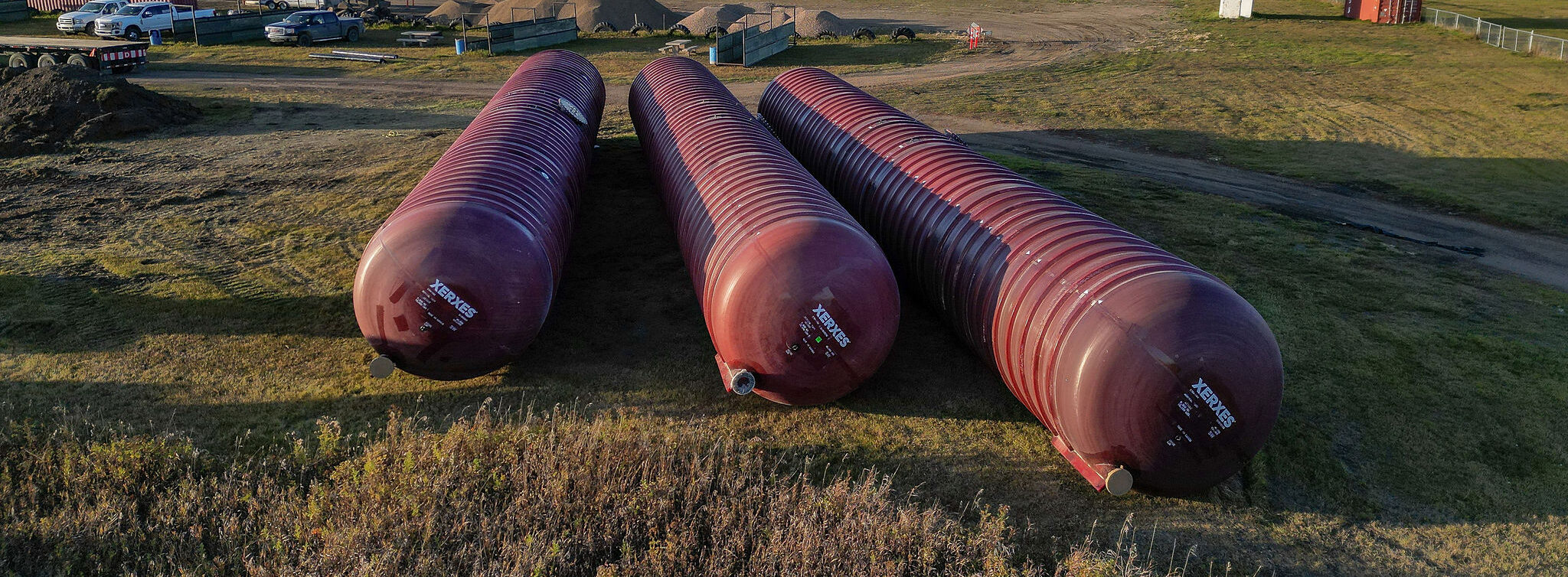
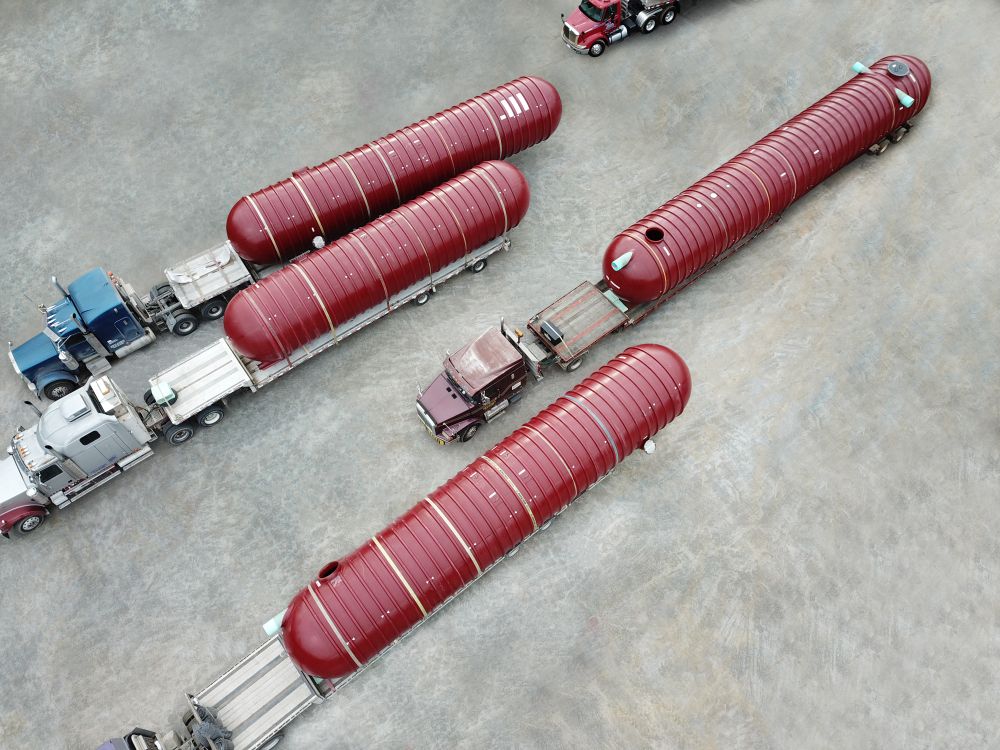
One-piece, factory-fabricated tanks for quick and easy installation
Why choose a Xerxes rainwater harvesting tank?
- Ideal for tight site footprints and remote locations
- Integral, high-profile fiberglass ribs increase structural strength
- Designed to withstand H-20 / HS-20 axle loads
- Underground tank optimizes land use
Xerxes tanks meet – or exceed – industry standards
Several industry standards address the growing need for standby water for rainwater harvesting systems.
IAPMO/ANSI Z1002
Can be manufactured to comply with IAPMO/ANSI Z1002
ANSI/AWWA D120
Plastic Tanks
NSF/ANSI/CAN 61
NSF 61-listed tank
Rainwater Tanks Success Stories

Residential complex - Washington, D.C., US
Reusing rainwater can minimize strain on municipal systems.
Greenhouse rooftop - Wisconsin, US
Collecting, treating and reusing rainwater adds up
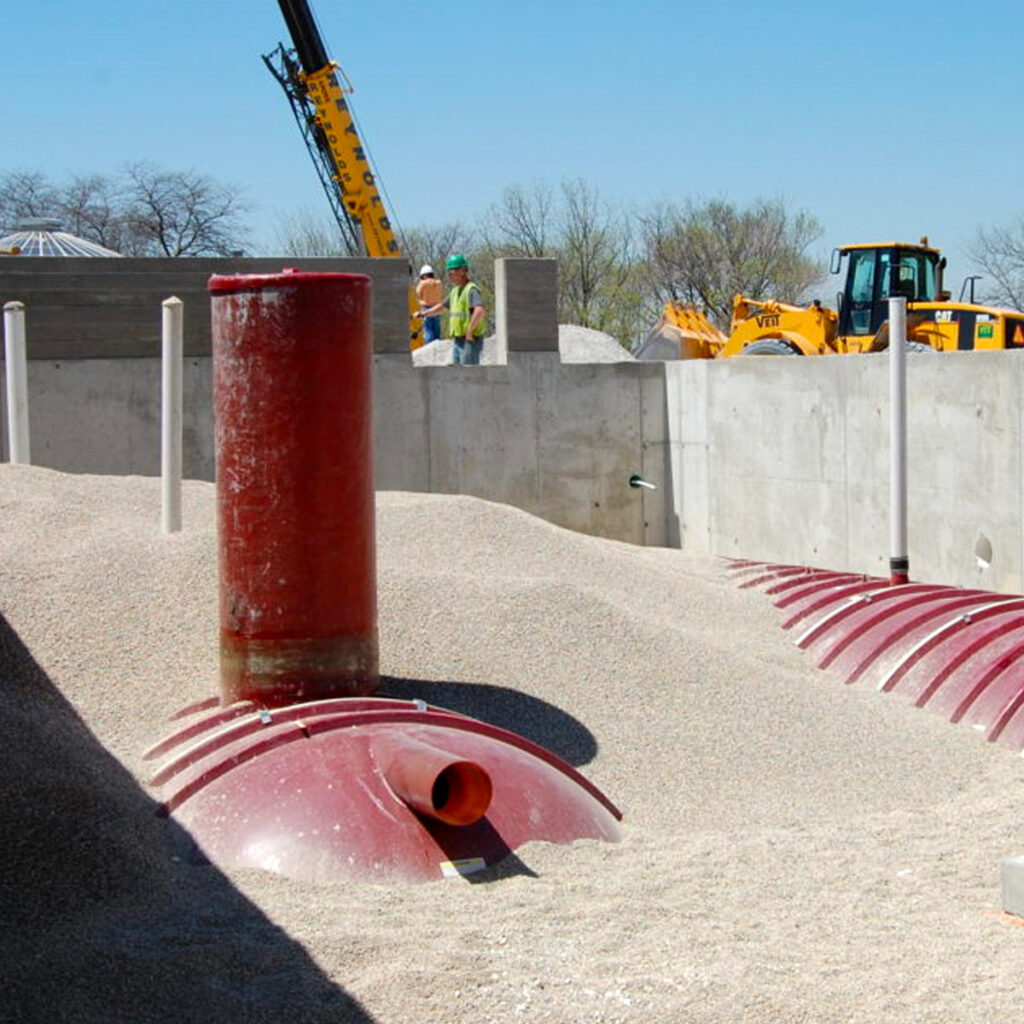
A complete water harvesting system was designed for the 60,000-square-foot glass rooftop of the Milwaukee County Greenhouses in Wisconsin using Xerxes’ durable fiberglass tanks. Four of our tanks collect approximately 38,000 gallons of water for every one-inch rain event. The collected rainwater is then filtered, disinfected and redistributed for year-round irrigation inside the greenhouses. This translates into a potential capture and reuse of more than one million gallons of rainwater and snow melt every year. The state-of-the-art facility at this site, and the cost savings it provides, enables the county to serve the community in many ways, including conserving valuable water resources.